
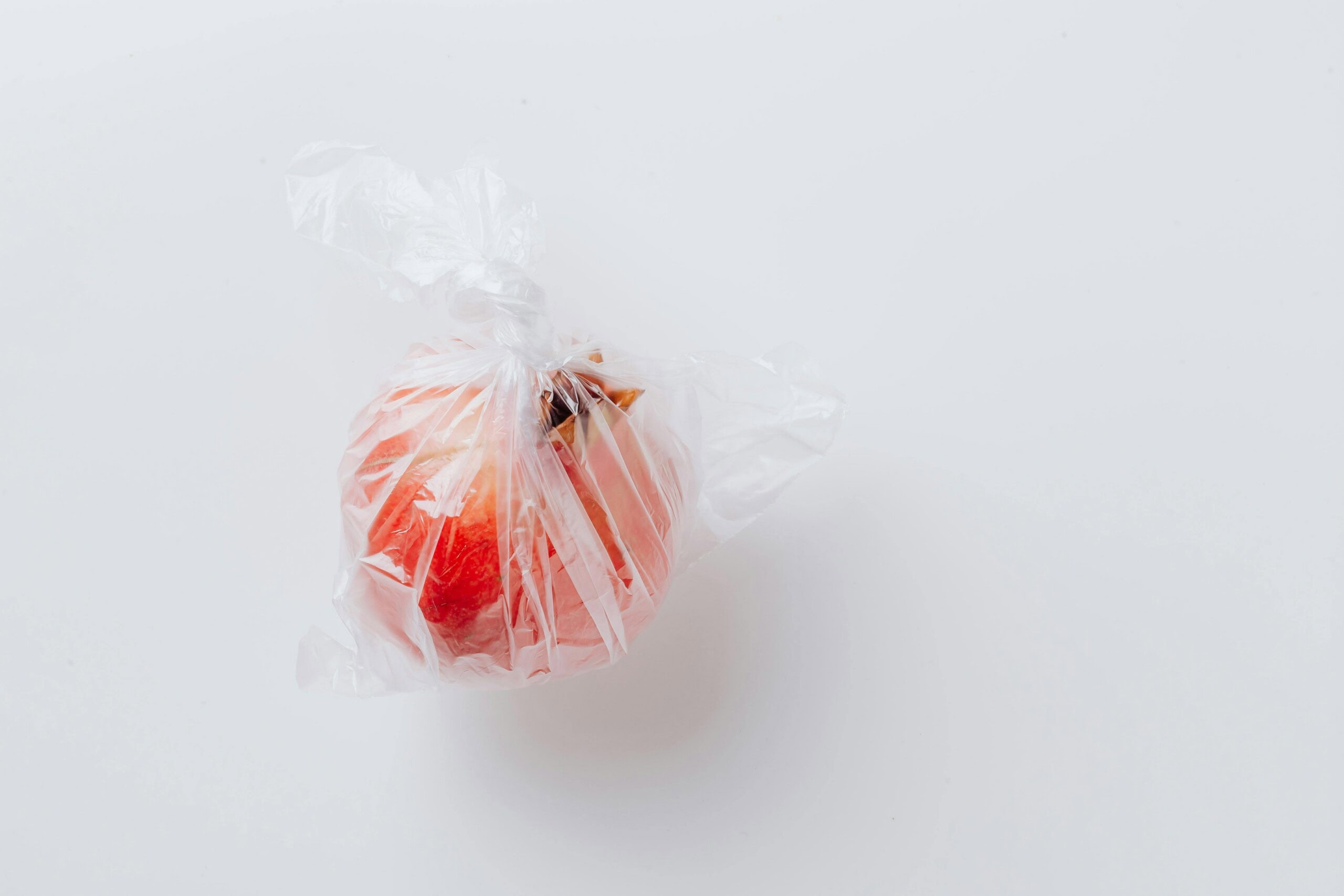
If you live in the United States and grew up going to your local grocery store you are likely familiar with the plastic grocery bag. These thin, wispy bags have become a familiar part of our lives. Whether you've used one as a makeshift trash can or used them to store items, these bags have a tendency to find their way into our everyday lives. After all, for most of our lives, we have left the store with one - or more - of these on hand. However, what happens to those bags after we get home is a growing environmental concern. Just like these bags seem to always be present in our homes, these bags, if not disposed of properly, find their way in the natural environment, where, far from being conveniently useful, they can cause serious damage.
While many people try to recycle regularly, fewer realize that plastic shopping bags require a different recycling process than most household materials. Unlike paper, cardboard, or plastic bottles, plastic shopping bags cannot usually be recycled through curbside recycling programs. This is due to the physical characteristics of the bags, which consist of a plastic film that is extremely thin and flexible. When placed in standard recycling bins, it's very easy for them to get caught in the sorting machinery at recycling facilities. When this happens, workers must then stop the equipment to remove tangled bags, which slows operations and increases costs. Because of this, many recycling systems ask residents not to place plastic bags in home recycling bins.
Instead, plastic bags are typically collected through special recycling programs put in place by the grocery stores or retail locations that provide their customers with the bags. These programs accept clean, dry plastic bags and other types of plastic film, which are then sent to specialized facilities that have the machinery to process them properly. The material can then be recycled into new products such as composite lumber used for decking, outdoor furniture, and playground equipment, ensuring that the material can be reused rather than ending up in landfills.
Although you might find it more convenient to just throw the bags away when you are done using them, the importance of properly managing plastic bags becomes clear when considering the environmental impact of plastic waste. Globally, millions of tons of plastic enter the environment each year. Over time, larger pieces of plastic break down into microplastics - tiny particles less than five millimeters in size. Scientists have found microplastics in oceans, rivers, soil, and even the air. Studies estimate that millions of microplastic particles can be found in a single square kilometer of ocean surface water.
Plastic bags also contribute to pollution on land. When they are not disposed of properly, they can be carried by wind into waterways, clog drainage systems, or accumulate in natural habitats. In soil, plastic fragments can persist for decades, slowly breaking down but never fully disappearing. This long lifespan means that even a single bag used for a few minutes can remain in the environment for generations.
One of the most effective ways to reduce this impact is by using reusable shopping bags whenever possible. Reusable bags are designed to be used many times, which significantly reduces the need for single-use plastic bags. Over time, consistently choosing reusable options can prevent hundreds of disposable bags from entering the waste stream.
For the plastic bags that are already in circulation, recycling programs provide an important solution. Many grocery chains, including some stores in Texas like H-E-B, offer year-round bag recycling kiosks where customers can return used plastic bags and other plastic films. Community initiatives and school programs, often held during the spring months, also help raise awareness about the importance of collecting and recycling these materials.
By combining reusable bag habits with proper recycling, communities can take meaningful steps toward reducing plastic waste and protecting the environment. So remember, no matter how small these choices made during everyday shopping trips may seem, they add up to a significant difference over time.
Every time we choose how to use, or dispose of, a plastic bag, we are making a decision that extends far beyond a single shopping trip. By opting for reusable bags and bringing plastic bags to designated recycling programs, we can reduce waste and protect our environment in meaningful ways. Education plays a key role in these everyday choices, helping students and communities understand that even small actions can have a lasting impact. To continue learning and find more ways to take action, visit Watt Watchers of Texas for educational materials, hands-on activities, and blogs focused on energy, water, and sustainability.
We'd love to help answer any questions and help you get started! Drop us a line and we'll get back to you as soon as we can.
Watt Watchers of Texas
204 E. Dean Keeton Street, Austin, Texas 78712
contact@watt-watchers.com
Nos encantaría contestarle cualquier pregunta que tenga y ayudarle empezar! Envíenos un mensaje y nos pondremos en contacto con usted lo antes posible.
Watt Watchers de Texas
204 E. Dean Keeton Street, Austin, Texas 78712
contact@watt-watchers.com